

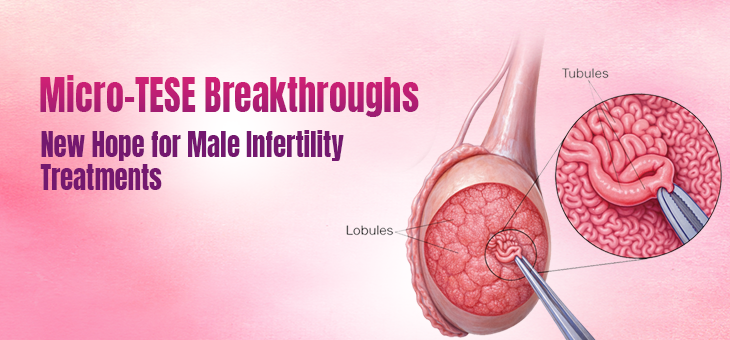
Micro-TESE Breakthroughs: New Hope for Male Infertility Treatments
Introduction
Male infertility is a major, yet frequently overlooked, factor in the fertility issues that couples around the world confront. According to medical research, about half of cases of infertility are caused by male causes alone or in conjunction with female factors. Many men are reluctant to seek prompt examination and therapy despite this frequency.
Azoospermia, a condition in which there are no sperm in the ejaculate, is one of the most difficult cases of male infertility. Couples had few alternatives until a few decades ago since azoospermia, particularly non-obstructive azoospermia, was thought to be incurable in many situations.
Today, Micro-TESE treatment (Microsurgical Testicular Sperm Extraction) has emerged as a major breakthrough in male infertility treatment. This advanced surgical technique has transformed outcomes for men with azoospermia by enabling sperm retrieval even in the most complex cases.
This blog explores the science behind Micro-TESE for azoospermia, recent advancements improving success rates, and why undergoing treatment at an advanced infertility hospital like Cambridge Hospital, one of the best fertility hospitals in Bangalore, offers renewed hope for aspiring parents.
Understanding Male Infertility and Azoospermia
What Is Male Infertility?
Male infertility refers to a man’s inability to cause pregnancy in a fertile female partner. It can result from several factors, including:
- Poor sperm quality or low sperm count
- Hormonal abnormalities that impact the production of sperm
- Genetic disorders affecting the function of the testicles
- Lifestyle choices like stress, smoking, obesity, and toxin exposure
In many cases, male infertility is treatable with medical, surgical, or assisted reproductive techniques - provided it is accurately diagnosed.
What Is Azoospermia?
Azoospermia is diagnosed when no sperm are found in the semen after repeated testing. It is categorized into two main types:
- Obstructive Azoospermia (OA): Sperm production is normal, but a blockage prevents sperm from entering the ejaculate.
- Non-Obstructive Azoospermia (NOA): Sperm production itself is severely impaired or absent due to testicular failure or genetic factors.
Non-obstructive azoospermia presents the greatest challenge for natural conception, making advanced treatments like Micro-TESE for azoospermia essential.
Advanced procedures can restore hope for men with azoospermia.
Talk to Our ExpertsWhat Is Micro-TESE Treatment?
Micro-TESE Explained
Micro-TESE treatment is an advanced microsurgical sperm retrieval procedure performed under high-powered operating microscopes. Unlike conventional methods, Micro-TESE focuses on identifying and extracting sperm from small, healthy sperm-producing tubules within the testes.
Key features of Micro-TESE include:
- High magnification to visualize seminiferous tubules
- Targeted sperm retrieval rather than random tissue extraction
- Reduced damage to surrounding testicular tissue
This precision makes Micro-TESE one of the most advanced forms of male infertility treatment available today.
How Micro-TESE Differs from Conventional Techniques
Traditional TESE procedures involve removing random samples of testicular tissue, which may miss areas where sperm production is occurring. In contrast:
- Micro-TESE allows direct visualization of healthier tubules
- Improves sperm retrieval rates, especially in NOA cases
- Minimizes tissue loss and post-surgical complications
These advantages have positioned Micro-TESE as the gold standard for sperm retrieval in severe male infertility.
Breakthroughs and Advancements in Micro-TESE
Improved Surgical Precision
Recent advancements in surgical microscopes, microsurgical instruments, and surgeon training have significantly enhanced Micro-TESE outcomes. Surgeons can now:
- Identify subtle differences in tubule appearance
- Avoid unnecessary tissue removal
- Achieve higher success rates even in complex azoospermia cases
These refinements have expanded the scope of Micro-TESE for azoospermia, offering hope to patients previously considered untreatable.
Better Outcomes with IVF and ICSI
Sperm retrieved through Micro-TESE are typically used in Intracytoplasmic Sperm Injection (ICSI) as part of IVF treatment. Even a small number of viable sperm can lead to successful fertilization.
This integration with IVF and ICSI:
- Enables biological parenthood for men with severe infertility
- Improves fertilization and pregnancy rates
- Enhances overall treatment success when performed at advanced fertility centers
Who Can Benefit from Micro-TESE for Azoospermia?
- Men diagnosed with non-obstructive azoospermia
- Patients with previous failed sperm retrieval attempts
- Men with genetic or hormonal causes affecting sperm production
- Patients advised by fertility specialists after thorough evaluation
Not every patient is a candidate, which is why expert assessment at a reputed infertility hospital in Bangalore is essential.
Role of Advanced Fertility Hospitals in Bangalore
Importance of Specialized Infrastructure
Successful Micro-TESE treatment requires advanced infrastructure, including:
- Dedicated microsurgical operating theaters
- State-of-the-art embryology laboratories
- Seamless coordination between surgery and IVF teams
Leading fertility centers integrate Micro-TESE with IVF and ICSI programs to ensure optimal outcomes.
Specialized infrastructure improves Micro-TESE treatment success.
View Our FacilitiesExpertise of Fertility Specialists
Micro-TESE is a highly skill-dependent procedure. Outcomes improve significantly when treatment is guided by experienced teams. At a reputed infertility hospital:
- Urologists, embryologists, and fertility specialists collaborate closely
- Treatment planning is individualized
- Procedures are overseen by top IVF doctors in Bangalore with extensive experience
This multidisciplinary approach is a hallmark of the best fertility hospital in Bangalore.
Risks, Limitations, and Considerations
- Success rates vary depending on the underlying cause of azoospermia
- Surgical expertise plays a critical role in outcomes
- Emotional stress and financial planning should be addressed in advance
Proper counseling helps patients make informed decisions and manage expectations realistically.
Advantages of Micro-TESE in Male Infertility Treatment
- Higher sperm retrieval rates in non-obstructive azoospermia
- Reduced testicular damage compared to older techniques
- A biological parenthood option where none existed earlier
For many couples, Micro-TESE represents not just a treatment, but a renewed chance at building a family.
Conclusion
Micro-TESE treatment represents one of the most significant advancements in male infertility treatment. For men diagnosed with azoospermia, particularly non-obstructive azoospermia, it offers renewed hope and realistic treatment possibilities.
When performed at the best fertility hospital in Bangalore, supported by advanced infrastructure and guided by experienced specialists, Micro-TESE for azoospermia can be a life-changing step toward successful parenthood.
At Cambridge Hospital Bangalore, the combination of medical expertise, advanced technology, and compassionate care ensures that couples receive evidence-based, ethical, and personalized fertility treatment - turning scientific breakthroughs into real-world success stories.
FAQs
What is Micro TESE treatment?
Micro TESE is a surgical procedure used to retrieve sperm in men with severe infertility issues.
Who needs Micro TESE?
Men diagnosed with azoospermia may be advised to undergo Micro TESE treatment.
Is Micro TESE successful?
Success depends on the cause of infertility and treatment timing.
Is Micro TESE painful?
The procedure is performed under anesthesia, and recovery is generally manageable.
Take a confident step toward parenthood with Micro-TESE.
Book Consultation