
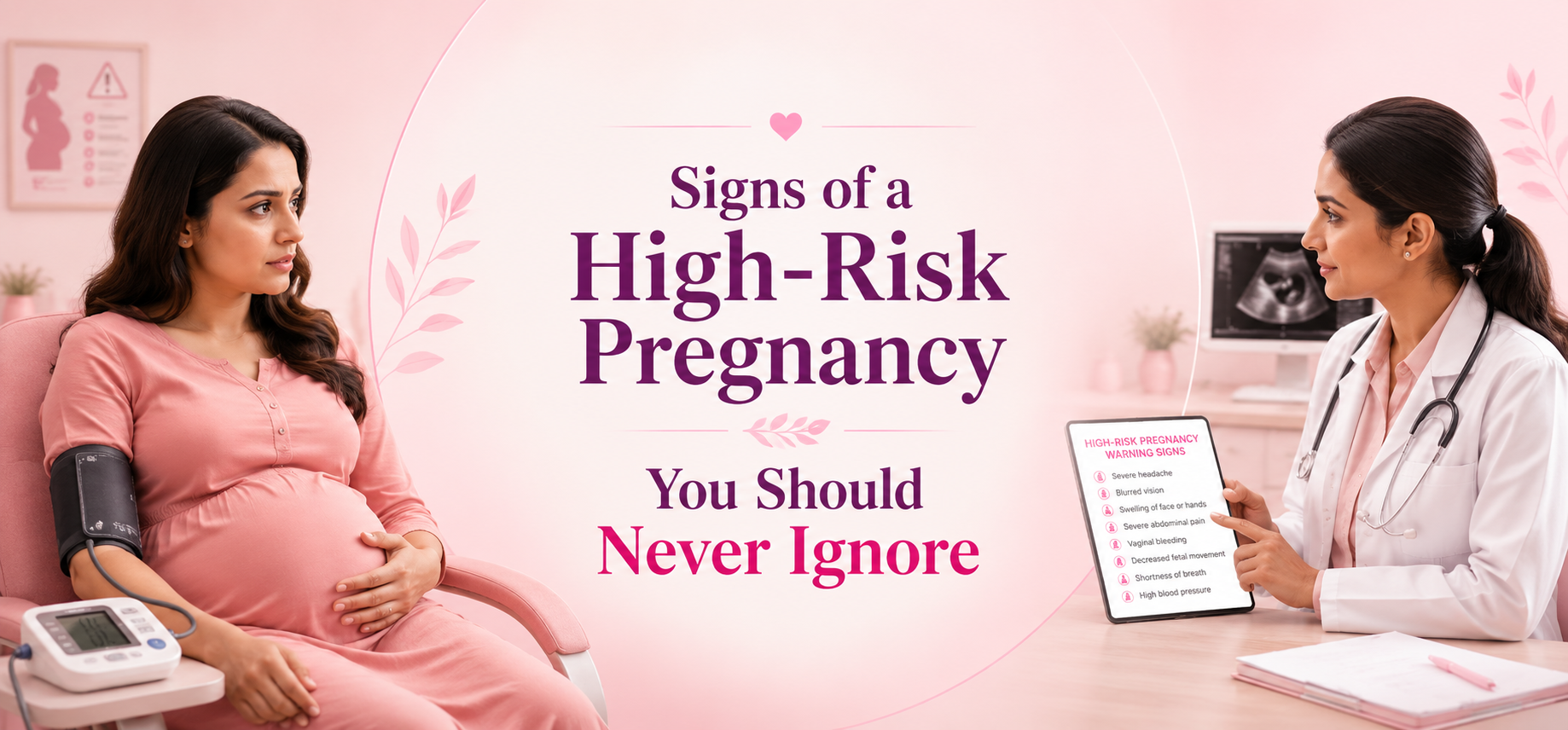
Signs of a High-Risk Pregnancy You Should Never Ignore
Although becoming pregnant is an amazing experience, a woman's body undergoes major changes that require careful monitoring. A high-risk pregnancy necessitates careful observation and prompt medical attention, even though the majority of pregnancies proceed normally.
Protecting the mother and the unborn child can be greatly aided by being aware of high-risk pregnancy symptoms and taking prompt action. Specialist obstetric treatment at Cambridge Hospital guarantees that possible hazards are recognized early and successfully handled to avoid major pregnancy issues.
Understanding Emergency Signs During Pregnancy
A high-risk pregnancy is one in which there is a greater likelihood of health issues for the mother, the unborn child, or both during pregnancy, labor, or delivery. This indicates that further care and monitoring are necessary, but it does not guarantee that issues will occur.
Early detection of warning symptoms is crucial. Certain emergency pregnancy symptoms should never be disregarded, even though some discomforts are common during pregnancy. A safe delivery can be supported and major consequences can be avoided with prompt medical intervention.
Knowing which symptoms need to be treated right away can safeguard the health of both the mother and the fetus, even though not all symptoms point to danger.
What Is a High-Risk Pregnancy?
Understanding High-Risk Pregnancy
Pregnancies with a higher-than-average risk of complications affecting the mother, fetus, or both are referred to as high-risk. Frequent checks, specialized monitoring, and perhaps sophisticated medical treatment are necessary for these pregnancies.
Difference between normal and high-risk pregnancy:
- A normal pregnancy progresses without major medical concerns.
- A high-risk pregnancy involves medical conditions or complications that may affect pregnancy outcomes and require close supervision.
Who Is More Likely to Experience a High-Risk Pregnancy?
Certain factors increase the risk of complications during pregnancy:
- Maternal age: Women under 18 or over 35
- Multiple pregnancies: Carrying twins, triplets, or more
- Existing medical conditions: Such as diabetes, hypertension, thyroid disorders
- Previous pregnancy complications: History of miscarriage, preterm birth, or preeclampsia
These conditions do not guarantee complications, but they increase the need for careful monitoring at a trusted pregnancy hospital in Bangalore.
Why Early Detection Matters?
Early detection plays a key role in ensuring a safe pregnancy journey:
- Protects maternal health by preventing worsening conditions
- Supports fetal growth and development
- Reduces risk of severe pregnancy complications
- Enables timely treatment and emergency care when required
What Symptoms Should Never Be Ignored During Pregnancy?
Some symptoms can indicate serious underlying issues and require immediate medical attention:
- Severe vaginal bleeding
- Persistent severe headaches
- Blurred vision
- Reduced fetal movement
- Severe abdominal pain
- Sudden swelling of face, hands, or feet
- High fever
- Fluid leakage before labor
These are often linked to serious high-risk pregnancy symptoms and should not be ignored.
8 Signs of a High-Risk Pregnancy You Should Never Ignore
1. Heavy Vaginal Bleeding
Light spotting can sometimes be normal in early pregnancy, but heavy bleeding is not.
Possible causes:
- Placental abruption
- Miscarriage
- Placenta previa
When to seek care: If bleeding is heavy, persistent, or accompanied by pain, immediate medical evaluation is necessary.
2. Severe Abdominal Pain or Cramping
Mild discomfort is common, but severe or persistent abdominal pain is a warning sign.
Possible concerns:
- Ectopic pregnancy
- Placental issues
- Preterm labor
Such pain should be assessed immediately to rule out serious complications.
3. Persistent Severe Headaches
Frequent or severe headaches during pregnancy may indicate:
- High blood pressure
- Preeclampsia
If headaches do not improve with rest or are accompanied by vision issues, urgent medical attention is required.
4. Blurred Vision or Vision Changes
Changes in vision during pregnancy are not normal and may signal:
- Preeclampsia
- Neurological or blood pressure-related complications
Immediate evaluation is essential to prevent escalation.
5. Reduced or Absent Fetal Movement
Monitoring fetal movements (kick counts) is an important part of pregnancy care.
Warning signs:
- Noticeably reduced movements
- No movement for extended periods
If fetal activity decreases, contact your doctor immediately.
Recognize warning signs before complications become serious.
Learn More Today6. Sudden Swelling of Face, Hands, or Feet
While mild swelling is common, sudden or severe swelling may indicate:
- Preeclampsia
- Fluid retention due to hypertension
Swelling combined with other symptoms should not be ignored.
7. High Fever During Pregnancy
A high fever may indicate infection, which can be harmful to both mother and baby.
Risks include:
- Dehydration
- Fetal distress
- Preterm labor
Medical treatment is required to manage infection safely.
8. Leaking Fluid Before Labor
Leaking clear or watery fluid may indicate rupture of membranes.
Concerns include:
- Risk of infection
- Preterm labor
- Complications in pregnancy progression
Immediate hospital evaluation is essential.
Common Conditions That Can Lead to High-Risk Pregnancy
Gestational Diabetes
A condition where blood sugar levels become elevated during pregnancy, affecting both mother and baby.
High Blood Pressure and Preeclampsia
One of the most serious pregnancy-related conditions that can lead to organ complications if untreated.
Placenta-Related Complications
Conditions like placenta previa or abruption can affect oxygen and nutrient supply to the baby.
Multiple Pregnancies
Carrying twins or more increases strain on the body and risk of premature delivery.
Thyroid and Other Chronic Health Conditions
Uncontrolled thyroid disorders or chronic illnesses can impact pregnancy outcomes.
When Should You Seek Immediate Medical Attention?
Seek urgent care if you experience:
- Heavy bleeding
- Severe abdominal pain
- Sudden swelling
- Vision disturbances
- High fever
- Reduced fetal movement
- Fluid leakage
- Breathing difficulties
These are classic emergency pregnancy symptoms and require immediate evaluation.
How Regular Prenatal Checkups Help Prevent Serious Pregnancy Complications?
Monitoring Maternal Health
Regular checkups help track blood pressure, sugar levels, and overall health.
Tracking Baby's Growth and Development
Ultrasounds and tests ensure the baby is developing normally.
Early Detection of Risks
Many complications can be identified before they become serious.
Personalized Care for High-Risk Pregnancies
Doctors can design a tailored care plan based on the mother’s condition and risk factors.
Why Choose Cambridge Hospital for High-Risk Pregnancy Care?
Cambridge Hospital provides comprehensive and compassionate maternity care, ensuring safety at every stage of pregnancy:
- Experienced obstetricians and gynecologists
- Advanced diagnostic and monitoring systems
- Comprehensive prenatal care programs
- Personalized care for high-risk cases
- Emergency maternity support services
- Patient-centered approach focused on safety and comfort
With expert care and timely intervention, Cambridge Hospital is committed to supporting safe motherhood journeys.
FAQ
What are the most common high-risk pregnancy symptoms?
Common symptoms include heavy bleeding, severe abdominal pain, reduced fetal movement, and vision changes.
Can a high-risk pregnancy result in a healthy delivery?
Yes. With proper monitoring and timely care, many high-risk pregnancies result in healthy deliveries.
When should reduced fetal movement become a concern?
If there is a noticeable decrease or no movement for several hours, medical attention is required immediately.
Does every pregnant woman with swelling have preeclampsia?
No, but sudden or severe swelling with other symptoms may indicate preeclampsia and should be evaluated.
How often should women with high-risk pregnancies visit their doctor?
It depends on the condition, but typically more frequent visits than normal pregnancies are recommended.
Can high-risk pregnancy complications be prevented?
Some risks can be managed or reduced with early diagnosis, regular checkups, and lifestyle adjustments.
When should I visit a pregnancy hospital in Bangalore for emergency symptoms?
Immediately if you experience bleeding, severe pain, fever, reduced fetal movement, or fluid leakage.
Conclusion
Recognizing high-risk pregnancy symptoms early can significantly improve outcomes for both mother and baby. While some changes are normal during pregnancy, warning signs should never be ignored.
Early medical intervention is the key to preventing serious pregnancy complications and ensuring a safe delivery.
If you or a loved one experiences any warning signs during pregnancy, do not delay seeking medical care. The specialists at Cambridge Hospital are equipped to provide advanced and compassionate care for all pregnancy needs, including high-risk cases.
Your health and your baby’s well-being should always come first - timely action can make all the difference.
Prioritize your health throughout every pregnancy stage.
Consult Our Specialists