

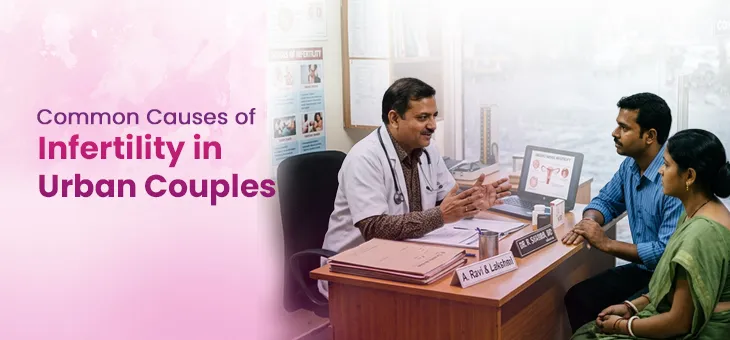
Common Causes of Infertility in Urban Couples
Introduction
Many urban couples are becoming increasingly concerned about infertility. Fertility problems have increased as a result of fast-paced lifestyles, postponed family planning, work pressure, and shifting health practices. Conception is more difficult than initially thought for many couples who plan to have children later in age.
The World Health Organization (WHO) estimates that one in six people worldwide may experience infertility at some point in their lives. High levels of stress, irregular sleeping patterns, poor nutrition, and environmental pollution are just a few of the additional difficulties that modern urban lifestyles frequently cause.
Fortunately, many infertility problems can be treated if detected early. Couples can learn about the underlying problems and get the best therapy by visiting a trusted infertility hospital in Bangalore. The chances of a successful conception can be increased by early examination at a specialized fertility hospital in Bangalore.
Understanding Infertility in Men and Women
Doctors define infertility as the inability to conceive after 12 months of regular, unprotected intercourse. After six months of attempting, doctors typically advise examinations for women over 35.
Both men and women can experience infertility. In fact, research indicates that 40–50% of cases of infertility are caused by male factors.
Couples can find the best treatment sooner if they are aware of both male and female fertility factors.
Male Infertility Overview
Male infertility usually relates to problems with sperm production or sperm quality. Common issues include:
- Low sperm count
- Poor sperm movement (motility)
- Abnormal sperm shape (morphology)
- Hormonal imbalance affecting sperm production
- Blockages that prevent sperm from reaching the semen
Lifestyle factors such as smoking, alcohol use, and stress can also affect sperm health.
Female Infertility Overview
Female infertility can occur when ovulation does not happen regularly or when the reproductive organs are affected. Some common causes include:
- Ovulation disorders
- Blocked fallopian tubes
- Endometriosis
- Hormonal imbalances
- Structural issues in the uterus
A proper evaluation at a fertility hospital in Bangalore can help identify these issues and guide treatment.
Common Causes of Infertility in Women
Several health conditions can affect a woman’s ability to conceive.
Ovulation Disorders
One of the most frequent causes of infertility in women is ovulation abnormalities. The ovaries may not release eggs on a regular basis due to conditions like polycystic ovarian syndrome (PCOS).
Ovulation can also be affected by hormonal problems such as thyroid issues and high stress levels.
Blocked Fallopian Tubes
The fallopian tubes carry the egg from the ovary to the uterus. If these tubes become blocked, sperm cannot reach the egg for fertilization.
Common causes include:
- Pelvic infections
- Untreated sexually transmitted infections
- Previous abdominal surgeries
Early diagnosis at an infertility hospital in Bangalore can help treat this condition effectively.
Endometriosis
Endometriosis occurs when tissue similar to the lining of the uterus grows outside the uterus. This condition can affect the ovaries, fallopian tubes, and surrounding tissues.
According to research published by the American Society for Reproductive Medicine, endometriosis affects about 10% of women of reproductive age and can significantly impact fertility.
Uterine Abnormalities
Certain structural issues in the uterus may prevent implantation of a fertilized egg. These include:
- Uterine fibroids
- Polyps
- Congenital abnormalities
Doctors often detect these conditions through ultrasound or imaging tests.
Hormonal Imbalances and Age Factor
Hormonal changes can affect ovulation and egg quality. Urban couples often delay pregnancy due to career or lifestyle choices.
However, fertility naturally declines with age, especially after age 35. As women grow older, the number and quality of eggs decrease, making conception more difficult.
Fertility specialists may also assess ovarian reserve using ultrasound, which helps determine AFC meaning medical - Antral Follicle Count, an important indicator of a woman's fertility potential.
Understanding infertility causes helps women make informed fertility decisions
Book consultation todayCommon Causes of Infertility in Men
Male fertility problems are also a major contributor to infertility among couples.
Low Sperm Count (Oligospermia)
Low sperm count means there are fewer sperm in the semen than normal. This reduces the chances of sperm reaching and fertilizing the egg.
Factors that may contribute include:
- Hormonal imbalance
- Smoking or alcohol consumption
- Obesity
- Certain medications
Poor Sperm Motility and Morphology
Even when sperm count is normal, poor sperm movement or abnormal sperm shape can make fertilization difficult.
These issues often require medical evaluation and treatment at a specialized fertility hospital in Bangalore.
Varicocele
Varicocele refers to enlarged veins in the scrotum that affect blood flow to the testicles. This condition can increase temperature around the testes and affect sperm production.
Varicocele is one of the most common reversible causes of male infertility.
Ejaculation Disorders
Some men experience problems with ejaculation that prevent sperm from reaching the female reproductive tract.
Examples include:
- Retrograde ejaculation
- Blockages in the reproductive tract
These conditions can often be treated with medical or surgical methods.
Hormonal and Genetic Factors
Hormonal problems can interfere with sperm production. In some cases, genetic conditions may also affect fertility.
Specialists at an infertility hospital in Bangalore can conduct detailed tests to identify these causes.
Lifestyle and Environmental Factors Affecting Fertility
Stress and Mental Health
Chronic stress affects hormone levels and can disrupt ovulation and sperm production.
High work pressure, lack of sleep, and emotional stress can make it harder for couples to conceive.
Diet, Obesity, and Lack of Exercise
An unhealthy diet and sedentary lifestyle can lead to obesity, which negatively affects fertility in both men and women.
Maintaining a healthy weight improves reproductive health.
Alcohol, Smoking, and Substance Use
Smoking and excessive alcohol consumption can damage eggs and sperm. These habits also reduce fertility treatment success rates.
Pollution and Environmental Exposure
Air pollution, chemical exposure, and certain workplace hazards can affect reproductive health.
Research suggests that long-term exposure to environmental toxins may impact both sperm quality and ovulation.
When to Seek Medical Help
Couples should consider consulting a doctor if:
- They have been trying to conceive for more than 12 months without success
- The woman is over 35 years old and has tried for 6 months without success
- The woman has irregular menstrual cycles
- The man has known sperm or hormonal issues
Early consultation at a specialized fertility hospital in Bangalore can help identify problems and start treatment sooner.
Treatment Options Available at Cambridge Hospital
Modern fertility treatments can help many couples overcome infertility challenges.
Medications for Infertility
Doctors may prescribe medications to regulate hormones and support ovulation. One commonly used medicine is Metformin, which helps manage insulin resistance in women with PCOS and improves ovulation.
Surgical Treatments
Some conditions require surgical correction.
Procedures may include:
- Laparoscopy to treat endometriosis or remove fibroids
- Ovarian drilling for women with PCOS who do not respond to medication
These procedures can improve the chances of natural conception.
Assisted Reproductive Technology (ART)
Advanced treatments help couples conceive when other methods do not work.
Common ART options include:
- Intrauterine Insemination (IUI)
- In Vitro Fertilization (IVF)
Couples often compare treatments like ICSI vs IVF vs IUI or IVF vs IUI vs ICSI to understand which fertility procedure may be most suitable for their condition.
These techniques help sperm and egg meet under controlled medical conditions.
Lifestyle and Diet Recommendations
Doctors often recommend lifestyle changes along with medical treatment. These may include:
- Maintaining a healthy weight
- Following a balanced diet
- Managing stress levels
- Avoiding smoking and alcohol
These steps improve overall fertility health.
FAQs
How do I know if I’m infertile?
You may need medical evaluation if you have been trying to conceive for a year without success. Doctors will perform tests to check hormone levels, ovulation, and sperm health.
Can lifestyle changes improve fertility naturally?
Yes. Maintaining a healthy weight, reducing stress, improving sleep, and following a nutritious diet can support fertility.
What is the most common cause of infertility in couples?
Ovulation disorders in women and low sperm count in men are among the most common causes.
What are the top three causes of female infertility?
The three most common causes are:
- Ovulation disorders such as PCOS
- Blocked fallopian tubes
- Endometriosis
Why are so many couples struggling to conceive?
Delayed pregnancies, stress, environmental pollution, unhealthy diets, and sedentary lifestyles are major contributing factors in urban areas.
Conclusion
Infertility is becoming increasingly common among urban couples due to lifestyle changes, delayed pregnancies, and rising health challenges. Both men and women can experience fertility problems, and identifying the root cause early is essential for effective treatment.
Many infertility issues can be managed successfully with the right medical care. Consulting specialists at a trusted infertility hospital in Bangalore can help couples receive proper diagnosis and treatment. With advanced care and personalized support from experts at a leading fertility hospital in Bangalore, many couples can overcome fertility challenges and move closer to achieving their dream of parenthood.
Early fertility care improves chances of successful conception
Contact Cambridge Hospital